Sunlight is useful, but ultraviolet exposure is not harmless. The World Health Organization identifies UV radiation as a major cause of premature skin aging, eye damage, and skin cancer. The International Agency for Research on Cancer estimated approximately 1.5 million non-melanoma skin cancer cases and more than 330,000 melanoma cases worldwide in 2022. These figures make everyday protection a practical health decision, not merely a cosmetic preference.
This guide examines seven Photoprotection Science products for global buyers, including broad-spectrum sunscreens, UV-protective clothing, sunglasses, window films, and personal UV-monitoring tools. Selection considers measured UVA and UVB performance, testing transparency, durability, comfort, accessibility, and suitability across climates and skin tones. The WHO UV Radiation and Health fact sheet supports the need for shade, clothing, eyewear, and sunscreen together. Mintel’s Global Sun Care 2024 analysis also reflects rising consumer interest in multifunctional, evidence-led protection products. However, market claims can sound stronger than the underlying evidence. Not every “high protection” label means identical real-world performance.
Details matter. A beach user needs water resistance and frequent reapplication. A commuter may benefit more from UPF fabric and treated car glass. Darker skin still needs protection, especially against hyperpigmentation and cumulative exposure. No ranking can fit everyone. Product standards also differ between regions, which complicates global purchasing. This review therefore separates laboratory evidence from marketing language and notes practical weaknesses openly. Readers should verify local labeling rules, ingredient restrictions, and professional advice before choosing products for children, sensitive skin, or medical conditions.
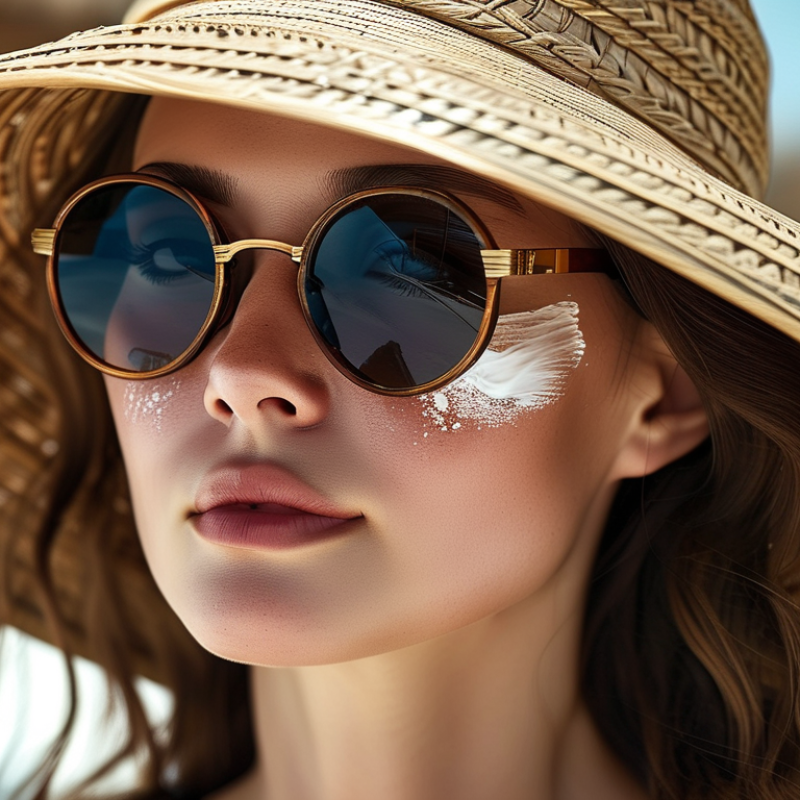
Photoprotection science starts with exposure, not packaging.
The IARC Global Cancer Observatory recorded 331,722 new melanoma cases worldwide in 2022. WHO also reports about 1.5 million non-melanoma skin cancers annually, based on 2020 estimates.
These figures support layered protection: broad-spectrum sunscreen, mineral face stick, SPF lip product, UPF clothing, UV-rated eyewear, portable shade, and a wearable UV monitor. Each product addresses a different failure point. Sunscreen protects exposed skin. Clothing covers areas people often forget. Sensors improve awareness, though they cannot replace judgment.
For global buyers, recognized testing standards matter more than attractive claims.
ISO 24444 measures sunscreen SPF through controlled testing. ISO 24443 evaluates UVA protection using in-vitro methods. Labels vary. An SPF 50 product does not automatically provide strong UVA protection.
Buyers should examine UVA ratings, water-resistance evidence, ingredient disclosures, and local compliance requirements. UPF garments can follow AS/NZS 4399, while protective eyewear should meet applicable optical safety standards. “UV400” is useful, but independent testing still matters.
Real-world use is messier.
Applying about 2 mg of sunscreen per square centimeter remains difficult for many users. Reapplication becomes essential after swimming, sweating, or towel drying. A portable shade device can reduce direct exposure, but reflected UV still reaches skin.
Practical testing often reveals gaps between laboratory performance and daily habits.
My caution is simple: a perfect label can still meet imperfect behavior.
WHO ultraviolet-index guidance should influence product selection, especially in high-altitude, tropical, or snow-covered environments.

Global buyers should evaluate photoprotection beyond the SPF number. The World Health Organization advises protection when the UV Index reaches 3 or higher. The Global Cancer Observatory recorded more than 1.2 million non-melanoma skin cancer cases worldwide in 2022. Therefore, reliable products should provide tested UVA and UVB protection, not only high SPF claims. Look for standardized testing under ISO 24444 and ISO 24443, where applicable. Broad-spectrum performance matters across sunny beaches, high-altitude cities, and reflective snowfields.
Product design also needs regional thinking. A lightweight lotion may suit humid climates, but fail during heavy sweating. Water resistance should be supported by test duration, not vague wording. Packaging should protect the formula from heat, light, and contamination during shipping. Transparent ingredient information improves trust, especially for buyers with sensitive skin or deeper skin tones. Some products still leave visible residue. That weakness deserves honest evaluation.
Tips: Compare SPF, UVA protection, water resistance, and test standards separately. Check stability data from accelerated heat testing. Review performance on different skin tones. A single laboratory score cannot represent every climate. I would also question unusually high claims without accessible test evidence, because marketing language can move faster than science. Real-world use remains messy. Reapplication habits, clothing, shade, and local UV levels can change protection outcomes.
Sources: WHO Global Solar UV Index; Global Cancer Observatory, 2022; ISO 24444:2019; ISO 24443:2021.
Global buyers are examining seven leading photoprotection science product categories. Broad-spectrum sunscreens remain central, with testing for UVA and UVB performance. Mineral-filter formulas may suit sensitive skin, but their texture can discourage regular use. Chemical-filter formulas often spread easily, although local regulations and approved ingredients differ.
Protective clothing offers fabric-based defense through tightly woven fibers, darker dyes, and tested ultraviolet protection factors. Window films and architectural shade materials help reduce indoor exposure near offices, cars, and large glass walls.
Antioxidant skin formulations can support the skin’s defense against environmental stress, but they should not replace sunscreen. Evidence varies between ingredients, and marketing claims sometimes move faster than research.
Oral photoprotection supplements form another category, yet buyers should demand human-study data and clear dosage guidance. They cannot substitute for physical barriers.
Photodetection tools, including UV meters and wearable sensors, provide useful exposure data for clinics, workplaces, and outdoor users. Calibration records matter.
In procurement reviews, I look for ingredient transparency, stability testing, batch traceability, and independent performance reports. These details reveal more than attractive packaging.
Global purchasers must compare labeling rules, import requirements, climate conditions, and consumer habits before choosing suppliers. I still question products that promise complete protection. Skin tone, latitude, altitude, and daily behavior change real-world results.
7 Best Photoprotection Science Products for Global Buyers
Safety, Efficacy, and Regulatory Factors for International Buyers
Global buyers can compare seven practical options: broad-spectrum sunscreen lotion, mineral sunscreen cream, sunscreen stick, protective lip balm, UPF clothing, UV-filtering window film, and personal UV sensors. Each product addresses exposure differently. Sunscreens should show tested UVA and UVB performance, while clothing needs verified ultraviolet protection factor data. Window films require optical, thermal, and durability testing. Sensors can support behavior, but they do not replace protective products.
Safety must guide every purchase. Review ingredient restrictions, allergen statements, stability data, packaging compatibility, and batch traceability. Some filters permitted in one market may need additional review elsewhere. SPF methods also vary by region, so buyers should request laboratory reports using recognized international or local standards. Check the responsible importer, product registration duties, label language, and permitted claims before shipment.
Efficacy is not only a laboratory result. Sweat, swimming, fabric stretching, storage heat, and incorrect application can reduce real protection. Small details matter. A cream may separate after months in a hot warehouse. A sensor may encourage safer habits, yet its readings can still be misunderstood. Some packaging claims look impressive. They need evidence. Experienced buyers should inspect certificates, samples, safety assessments, and post-market complaint procedures, while accepting that no product performs perfectly in every climate or on every skin type.
7 Best Photoprotection Science Products for Global Buyers
Choosing the Right Photoprotection Product for Different Skin Needs
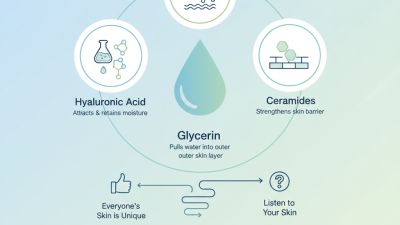
Effective photoprotection begins with skin needs, not packaging. Broad-spectrum sunscreen should protect against UVA and UVB radiation. SPF mainly indicates UVB protection, while UVA coverage requires tested labeling. For daily commuting, a lightweight lotion or fluid usually feels comfortable. Oily or acne-prone skin may prefer non-comedogenic, fragrance-free textures. Dry skin often benefits from barrier-supporting ingredients, such as glycerin or ceramides. Sensitive skin may respond better to mineral filters, although irritation can still occur. No formula is perfect.
Tinted products can help reduce visible-light effects on uneven pigmentation, especially when they contain iron oxides. Stick formats are useful around the eyes, ears, and hairline. Sprays can cover large areas, but rubbing remains important for even distribution. Water-resistant formulas suit swimming or heavy sweating, yet they still require reapplication. Outdoor workers need durable coverage, protective clothing, hats, and shade. Children need age-appropriate products and careful application around the eyes.
Darker skin is not immune to sun damage. A comfortable, non-whitening formula may improve consistent use. That practical detail matters more than theoretical superiority. Buyers should check independent testing, ingredient disclosures, batch information, and local regulatory requirements. Claims can vary between countries. Reapply generously, particularly after toweling, sweating, or prolonged outdoor exposure. Many people apply too little, then blame the product. A two-finger amount for the face and neck is a useful starting guide, but body coverage needs much more. Personal tolerance, climate, and daily habits may require adjustment. Consulting a qualified dermatology professional is wise when pigmentation, photosensitivity, or persistent reactions are present.
A practical comparison of product formats, protection technologies, and suitability for different skin and lifestyle requirements
| Product Type | Recommended Protection Level | Core Photoprotection Technology | Best for | Key Benefits | Important Buying Criteria | Typical Reapplication Guidance |
|---|---|---|---|---|---|---|
| 1. Broad-Spectrum Daily Face Fluid | SPF 30–50+; broad-spectrum UVA and UVB protection | A balanced blend of organic UV filters and/or mineral filters; lightweight emulsion | Normal, combination, and everyday urban skin | Fast absorption, easy layering under makeup, suitable for daily use | Look for tested broad-spectrum performance, non-comedogenic claims where relevant, low eye-sting potential, and packaging that limits air and light exposure | Apply generously in the morning and reapply at least every 2 hours during outdoor exposure or after sweating |
| 2. Mineral Sunscreen Cream | SPF 30–50+; broad-spectrum protection | Zinc oxide and/or titanium dioxide particles that primarily scatter, reflect, and absorb UV radiation | Sensitive, reactive, or recently treated skin | Often well tolerated by sensitive users; suitable when avoiding certain organic UV filters | Check for fragrance-free formulation, smooth spreadability, low whitening, and compatibility with the intended regulatory market | Reapply at least every 2 hours outdoors and immediately after towel drying, swimming, or heavy sweating |
| 3. Tinted Sunscreen with Iron Oxides | SPF 30–50+ with broad-spectrum UVA and UVB protection | UV filters combined with iron oxides, which can help reduce exposure to some visible-light wavelengths | Skin prone to melasma, post-inflammatory hyperpigmentation, or uneven tone | Provides cosmetic tint and may offer additional visible-light protection compared with untinted sunscreen | Choose a shade compatible with the user’s skin tone, verify broad-spectrum testing, and avoid relying on tint as a substitute for adequate SPF | Use a sufficient amount each morning and reapply during prolonged daylight exposure; outdoor touch-up may require a compatible makeup routine |
| 4. Water-Resistant Sport Lotion | SPF 50+; broad-spectrum protection; water-resistance claim where permitted | Film-forming emulsion designed to improve adhesion during perspiration and water exposure | Swimming, hiking, beach activities, and high-sweat environments | Improved persistence during activity; usually offers stronger resistance to sweat and water than standard daily lotions | Check the tested water-resistance duration, usually 40 or 80 minutes in the United States; no sunscreen is completely waterproof | Reapply after the stated water-resistance period, towel drying, or heavy sweating, and at least every 2 hours during continuous exposure |
| 5. Sunscreen Stick | SPF 30–50+; broad-spectrum protection | Anhydrous wax or balm base containing organic and/or mineral UV filters | Targeted areas such as the nose, ears, cheekbones, lips’ surrounding skin, and travel touch-ups | Portable, spill-resistant, and convenient for reapplication over selected areas | Confirm that the product is applied in enough passes to form an even film; inspect texture, drag, and hygiene of the applicator | Use multiple generous passes over each area and reapply at least every 2 hours outdoors; do not depend on one quick swipe |
| 6. Aerosol or Pump Sunscreen Spray | SPF 30–50+; broad-spectrum protection | Sprayable UV-filter formulation designed for rapid coverage of larger body areas | Adults needing quick body application and hard-to-reach areas | Convenient, lightweight feel, and easy distribution over arms, legs, and torso when used correctly | Spray into hands for the face, avoid inhalation, use only in a well-ventilated area, and rub in thoroughly for uniform coverage | Apply generously and evenly, never spray directly into the face, and reapply at least every 2 hours or after water and towel exposure |
| 7. SPF Lip Balm | SPF 30 or higher; broad-spectrum protection for the lips | Waxy protective base with UV filters; may include emollients to reduce dryness | Dry, sun-exposed, outdoor-active, or high-altitude users | Protects a frequently overlooked area and helps maintain the lip barrier during sun and wind exposure | Choose broad-spectrum labeling, comfortable non-irritating ingredients, and a formula that remains stable in warm conditions | Reapply at least every 2 hours and after eating, drinking, swimming, or wiping the lips |