
Choosing the best Body Sculpture machine in 2026 is not as simple as comparing power levels or glossy advertisements. Results depend on the client’s goals, body area, skin condition, treatment comfort, and medical history. A machine that performs well for abdominal fat reduction may not suit loose skin or muscle definition.
Dr. Joseph Cruise, a board-certified plastic surgeon, explains, “There is no one-size-fits-all approach to body contouring.” That principle remains important when comparing cryolipolysis, radiofrequency, ultrasound, laser, and electromagnetic technologies. Each platform uses a different mechanism. Each also has limitations. Some focus on fat cells. Others target skin tightening or muscle stimulation.
The strongest choice should have credible clinical evidence, clear safety documentation, trained operators, and realistic treatment guidance. FDA clearance or regional approval matters, but it does not guarantee identical results for every person. Experience also matters. A skilled practitioner can select suitable settings, protect sensitive areas, and recognize when treatment should be avoided.
This comparison will examine leading Body Sculpture technologies through performance, safety, comfort, treatment time, maintenance, and value. It will also question popular claims. Not every impressive photograph proves lasting effectiveness. Some results appear gradually. Others require multiple sessions or lifestyle support. That can feel less exciting, but it is more honest.
The best machine may not be the newest model. It may be the platform that matches the patient, the evidence, and the practitioner’s judgment. Careful expectations still matter. Sometimes, the “best” option is no treatment at all.
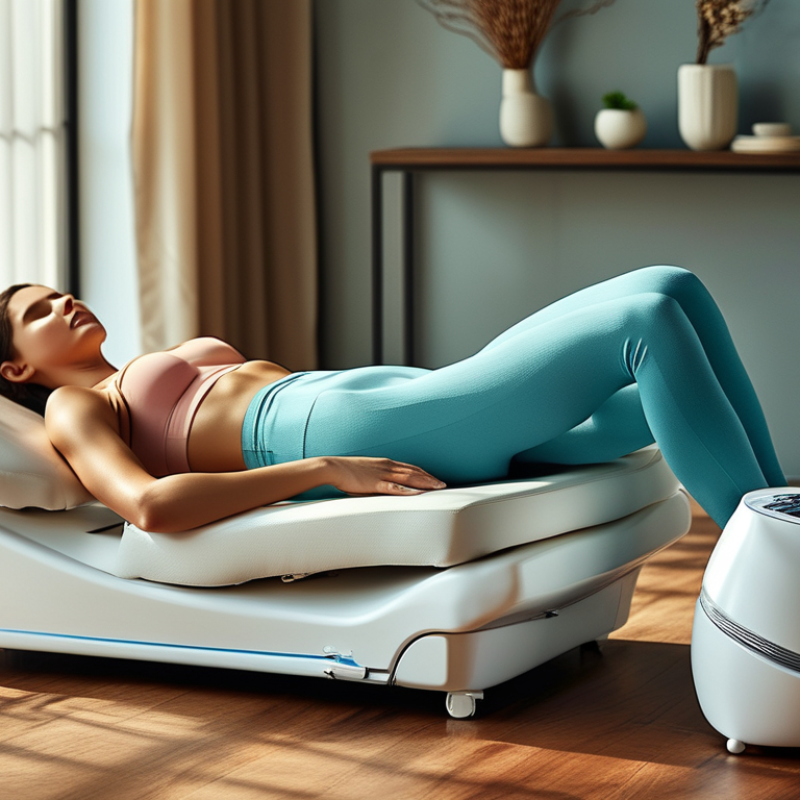
A body sculpture machine is an aesthetic device designed to improve selected body contours without surgery. It may use controlled radiofrequency, focused ultrasound, vacuum energy, or electromagnetic stimulation. Each technology targets different tissue and produces different sensations. Some devices heat the skin, while others create muscle contractions.
The goal is usually modest shaping, not major weight loss. Results are variable. A trained practitioner should explain the technology, treatment area, expected sessions, and possible side effects before use. During a professional session, the skin should be checked, measured, and monitored. Mild warmth, redness, tenderness, or temporary swelling can occur. Clean applicators and clear safety procedures also matter.
In 2026, the best body sculpture machine is not automatically the strongest one. It should match the user’s goals, body area, skin condition, and medical history. I once assumed higher intensity meant better results, but comfort and correct settings proved more important. Poor placement can create uneven outcomes. People with implanted electronic devices, certain medical conditions, or recent procedures may need medical clearance. A reliable clinic should provide informed consent and avoid promises of permanent transformation. Look for documented training, realistic photographs, and honest discussion of limitations. The fit matters.
What Is the Best Body Sculpture Machine in 2026?
Body sculpture machines reshape selected areas without removing tissue surgically. Their results depend on energy type, treatment settings, and the patient’s fat distribution. Cooling systems target fat cells below the skin. Controlled cold damages these cells, and the body gradually clears them. Radiofrequency devices heat tissue, which may improve collagen contraction and skin firmness. Ultrasound can disrupt fat membranes, while electromagnetic stimulation causes repeated muscle contractions.
The process is more technical than many advertisements suggest. Heat must reach a therapeutic range without injuring the skin. Cooling must remain controlled around nerves and nearby tissue. The U.S. Food and Drug Administration states that non-invasive body contouring is not weight-loss treatment. It also notes that results may be temporary or vary between patients. The ISAPS Global Survey 2023 recorded more than 19 million non-surgical aesthetic procedures worldwide. However, that report does not prove one technology performs best. The evidence remains uneven. That uncertainty matters.
Tips: Ask for the exact energy method, treatment area, and published clinical evidence. Check whether a qualified medical professional performs the assessment. Photograph the area under consistent lighting. Do not judge progress after one week. Swelling can distort early results. A realistic plan may need multiple sessions, and some bodies respond slowly. I would also question any promise of dramatic fat loss without lifestyle context.
| Technology | How It Works | Best Use | Typical Treatment Pattern | Expected Results | Downtime | Main Limitations and Risks | Overall Suitability |
|---|---|---|---|---|---|---|---|
| Cryolipolysis | Uses controlled cooling to damage subcutaneous fat cells. The body gradually clears the affected cells through normal inflammatory and immune processes. | Localized pinchable fat on areas such as the abdomen, flanks, thighs, or under the chin. | Usually one session per area, with some people choosing an additional session after the result has stabilized. Visible changes commonly develop over approximately 1–3 months. | Clinical studies commonly report a moderate reduction in fat-layer thickness, often around 15–25% in a treated area, although results vary by device, applicator, and patient. | Usually none. Temporary redness, swelling, bruising, numbness, or tenderness may occur. | Not intended for weight loss or significant loose skin. Rare paradoxical adipose hyperplasia can cause enlargement of treated fat tissue and may require surgical correction. | ★★★★☆ Strong option for non-invasive fat reduction when the tissue is suitable for cooling. |
| Radiofrequency (RF) Body Contouring | Delivers electromagnetic energy that heats tissue. Thermal effects can contract collagen fibers, stimulate longer-term collagen remodeling, and sometimes produce mild fat-cell injury. | Mild skin laxity, surface smoothing, and modest contour improvement. | Often performed as a series of approximately 4–8 treatments spaced about 1–2 weeks apart, depending on the system and treatment area. | Gradual improvement in skin firmness and texture; fat reduction is generally modest compared with treatments designed specifically for fat destruction. | Usually none. Warmth and temporary redness are common; burns are possible if energy delivery or skin cooling is inadequate. | Results are subtle and depend on adequate heating. It is not a substitute for surgery when there is substantial excess skin. | ★★★★☆ One of the more versatile choices for tightening and surface contouring. |
| High-Intensity Focused Electromagnetic (HIFEM) Stimulation | Creates rapidly changing electromagnetic fields that induce involuntary muscle contractions. The treatment is intended to stimulate muscle adaptation and may also affect overlying fat. | Muscle toning and definition of the abdomen or buttocks. | Common protocols use about 4 sessions over approximately 2 weeks, followed by maintenance according to individual goals and the specific device. | May improve muscle firmness and visible definition. Outcomes are generally more noticeable in people who already have moderate muscle tone and stable body weight. | Usually none. Temporary muscle soreness, cramping, or fatigue can occur. | Does not replace exercise or provide substantial weight loss. It may be unsuitable for people with certain implanted electronic or metallic devices, depending on the system. | ★★★★☆ Best suited to muscle-focused contouring rather than skin tightening or major fat reduction. |
| Focused Ultrasound | Concentrated ultrasound energy creates thermal effects at a selected depth, which can disrupt fat cells or stimulate tissue remodeling depending on the treatment protocol. | Selected areas of localized fat and, in some systems, mild tissue tightening. | Often requires one treatment, although some protocols use multiple sessions. Final results may take several weeks to a few months to develop. | Can provide localized fat reduction, but the amount varies substantially with treatment depth, energy settings, anatomy, and patient selection. | Typically minimal. Tenderness, swelling, bruising, or temporary sensory changes may occur. | Incorrect depth or excessive energy can cause pain, burns, nerve irritation, or uneven results. Treatment should be performed by a trained professional. | ★★★☆☆ A targeted option when tissue depth and treatment indications are carefully assessed. |
| Low-Level Light Therapy | Uses low-intensity visible or near-infrared light. Proposed effects include temporary changes in fat-cell membrane permeability and cellular signaling, but the exact biological mechanism remains under study. | Small contour changes for people seeking a gentle, non-heating approach. | Usually requires several sessions per week over multiple weeks, with maintenance often needed. | May produce modest circumference or contour changes. Results are generally less dramatic than those from established fat-reduction procedures. | Usually none and treatment is generally comfortable. | Evidence and outcomes vary by wavelength, dose, treatment schedule, and device design. It is not a weight-loss treatment. | ★★★☆☆ Most appropriate when minimal discomfort and no downtime are the main priorities. |
| Mechanical Vacuum Massage and Acoustic Therapy | Uses suction, rollers, vibration, or acoustic waves to mobilize soft tissue and temporarily influence fluid movement and skin appearance. | Temporary smoothing of the skin surface and improvement in the appearance of cellulite. | Usually requires a course of multiple treatments, often weekly or several times per week, followed by maintenance. | May temporarily improve skin smoothness and the appearance of cellulite. It does not reliably remove substantial fat. | Usually none. Bruising, tenderness, or temporary swelling can occur, particularly with stronger suction. | Results are often temporary and maintenance is commonly necessary. It is not a treatment for obesity or significant excess skin. | ★★★☆☆ Useful for surface appearance, but not the strongest choice for permanent fat reduction. |
| Combined RF and Electromagnetic or Vacuum Systems | Combines two or more energy types, such as heating with muscle stimulation or vacuum-assisted RF, to address multiple tissue layers in one treatment plan. | People seeking a combination of mild tightening, contour refinement, and muscle stimulation. | Commonly requires 4–8 sessions, although schedules differ considerably between systems and treatment areas. | May offer broader but usually moderate improvements across skin texture, circumference, and muscle tone. Combination claims should be judged from device-specific clinical evidence. | Usually minimal. Sensations may include heat, pressure, muscle fatigue, redness, or bruising. | More technologies do not automatically mean better results. Safety depends on correct energy levels, cooling, applicator placement, and operator training. | ★★★★☆ Potentially the most versatile category, but quality varies widely between systems. |
Practical conclusion: There is no single best body sculpture machine for every person. Cryolipolysis is generally better suited to localized pinchable fat, RF is more appropriate for mild skin laxity and surface texture, HIFEM focuses on muscle definition, and focused ultrasound can provide targeted contouring when the treatment depth is appropriate. These procedures are not substitutes for weight loss, nutrition, exercise, or surgery for substantial excess skin. Results and safety depend on the specific device, treatment settings, body area, medical history, and the qualifications of the provider.
Choosing the best body sculpture machine in 2026 depends on the technology, treatment area, and patient’s goals. No single device fits every body type. A qualified practitioner should assess skin thickness, muscle tone, medical history, and realistic expectations before treatment.
Cryolipolysis uses controlled cooling to target localized fat beneath the skin. Radiofrequency delivers heat, which may support skin tightening and improve surface texture. Some systems use focused ultrasound for deeper tissue heating. Electromagnetic stimulation creates repeated muscle contractions, helping support muscle conditioning in selected areas. Vacuum assistance may improve contact and positioning, but it can also cause temporary redness or tenderness.
In practice, technology is only one part of the decision. I would examine temperature controls, energy monitoring, applicator size, treatment records, and operator training. Ask for measurable outcomes, not dramatic photographs alone. Results vary, and maintenance may be needed. The evidence is not equally strong for every combination of technologies. That matters.
Comfort matters too. A session should feel controlled, not unbearable. The practitioner must explain possible swelling, bruising, numbness, or uneven results. Regulatory clearance also differs between countries, so local requirements deserve attention. Some marketing claims sound precise but remain difficult to verify. That is where careful judgment is essential.
What Is the Best Body Sculpture Machine in 2026?
How to Compare Body Sculpture Machines in 2026
Comparing body sculpture machines requires more than checking power or appearance. Start with the treatment goal, such as muscle stimulation, temporary contouring, or skin tightening. Different technologies produce different outcomes. A machine designed for muscle activity may not improve loose skin. Ask for clinical evidence that matches your specific goal.
Safety deserves close attention. Check whether qualified professionals operate the equipment and explain possible side effects. Review contraindications, treatment intervals, maintenance records, and emergency procedures. Reliable providers should describe realistic results, not promise permanent transformation. Clear consent matters too.
Look at measurable details. Compare energy settings, applicator size, session length, cooling systems, and adjustable intensity. Ask how results are assessed through photographs, measurements, or follow-up visits. Independent studies are more useful than vague testimonials. The lowest price may hide poor training or weak aftercare.
No scorecard is perfect. A machine can seem advanced but fit your needs poorly. I would leave room for uncertainty, especially when long-term evidence remains limited. Personal anatomy, lifestyle, and treatment consistency affect results. A careful consultation should feel like a technical discussion, not a sales performance.
There is no single best body sculpture machine for every goal. A practical comparison should consider treatment time, target area, expected results, comfort, recovery, and the quality of clinical evidence. The chart shows representative treatment-time ranges commonly reported for non-invasive body-contouring technologies; actual times vary by device, treatment area, and patient.
Shorter sessions do not necessarily mean better results. Cryolipolysis and focused ultrasound are often selected for localized fat reduction, radiofrequency may be chosen for skin tightening and contouring, and electromagnetic muscle stimulation is generally used for muscle-toning objectives. Always verify the specific machine’s regulatory clearance, contraindications, treatment protocol, and provider qualifications.
The best body sculpture machine depends on your specific goal, not its advertised power. For reducing small fat pockets, controlled cooling or heat-based technology may be suitable for selected users. For improving muscle tone, electromagnetic stimulation can support structured training. Radiofrequency devices may focus on skin firmness and texture. These technologies work differently. A trained professional should assess your body, health history, and expectations before treatment.
Tips: Define one goal clearly. Ask how results were measured. Check the operator’s training and treatment records. Request realistic timelines, possible side effects, and aftercare instructions. Avoid choosing equipment by price alone. A clean consultation room matters. So does honest communication.
Good equipment should include documented safety procedures and evidence from reliable clinical research. Results often develop gradually and may differ between body areas. A machine cannot replace nutrition, movement, or medical care. The most overlooked detail is body selection. A device designed for muscle stimulation may not address loose skin. A fat-reduction system may not improve cellulite. Results can also be uneven, which is frustrating but normal. No machine is perfect. Reassess your goal after each treatment, rather than adding procedures too quickly. A qualified practitioner should explain when treatment is unsuitable, including during certain medical conditions or pregnancy. Safety should remain more important than dramatic promises.
