What Are the Latest Beauty Ingredient Technologies in 2026?
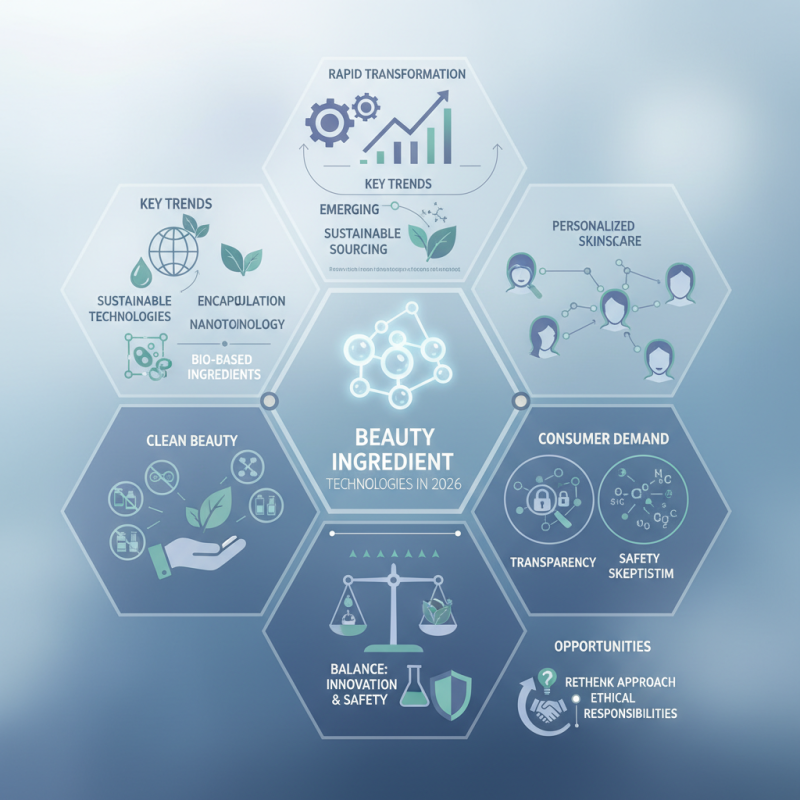
The beauty industry is undergoing rapid transformation, driven by advancements in Beauty Ingredient Technology. By 2026, innovations are set to redefine skincare and cosmetics. According to a recent market research report, the global beauty ingredients market is expected to reach $24.5 billion, reflecting a 5.8% annual growth rate. Key players are increasingly focusing on sustainable sourcing and bio-based ingredients.
Emerging technologies, such as encapsulation and nanotechnology, are dominating research and product development. These techniques enhance the efficacy and stability of active ingredients. Furthermore, consumer demand for personalized skincare solutions emphasizes the need for intelligent formulation strategies. However, the industry faces challenges in transparency and safety. Many consumers remain skeptical about the long-term effects of new technologies.
The trend towards clean beauty continues to grow, as consumers seek products free from harmful additives. Despite the progress, the balance between innovation and safety remains delicate. This evolution presents opportunities for brands to rethink their approach. As we explore the latest trends in Beauty Ingredient Technology, it’s crucial to remain mindful of both consumer expectations and ethical responsibilities.
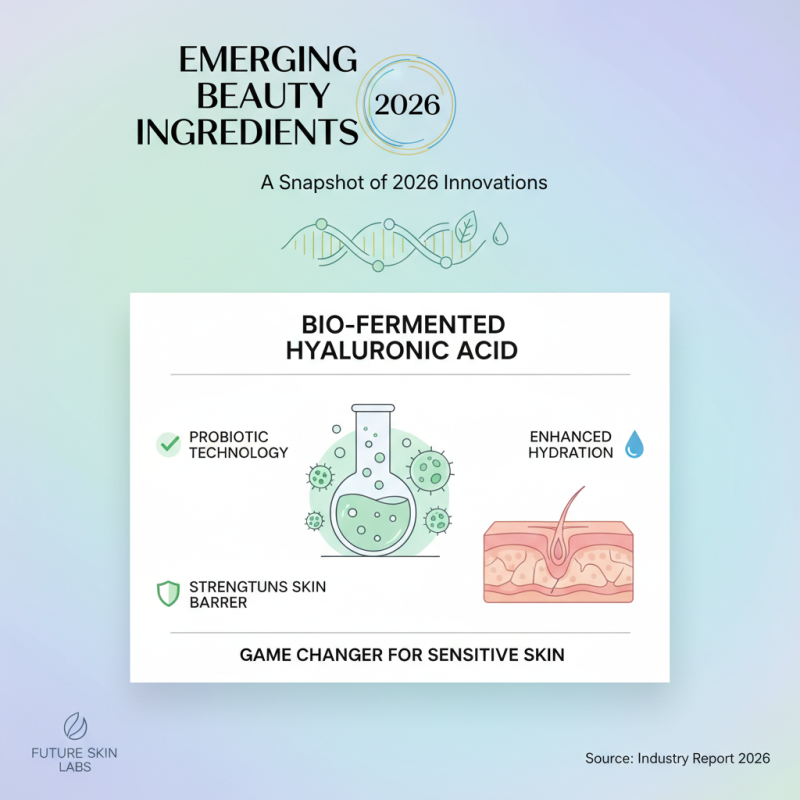
Emerging Beauty Ingredients: A Snapshot of 2026 Innovations
The beauty industry in 2026 is witnessing remarkable innovations. Emerging ingredients are revolutionizing skincare and cosmetics. One standout is bio-fermented hyaluronic acid. This ingredient uses probiotic technology. It enhances hydration while promoting skin barrier health. It’s a game changer for those with sensitive skin.
Another intriguing ingredient is mushroom-derived antioxidants. These natural compounds provide powerful protection against environmental stressors. They are not only effective but also sustainable. Many consumers are now seeking greener options in their beauty routines. Additionally, advanced peptide technologies are gaining traction. Peptides stimulate collagen production. This leads to firmer, more youthful-looking skin.
However, navigating these innovations can be overwhelming. Consumers often face a barrage of information. Not every trend is suitable for every skin type. It’s crucial to understand individual needs. Personalization in beauty will be key to addressing these challenges. In the quest for perfection, we should embrace the unique nuances of our skin and its responses.
Biotechnology Advancements Transforming Skincare Formulations
In 2026, biotechnology has emerged as a game-changer in skin care. Advanced fermentation techniques now produce active ingredients more efficiently. These innovations use natural organisms, minimizing environmental impact. The result? Formulations that are not only potent but also gentle on the skin. This approach aligns with sustainability goals many consumers value today.
Another significant trend is the use of biomimetic peptides. These small proteins replicate natural skin functions. They help boost collagen production and improve hydration levels. Yet, while these advancements offer promising results, the efficacy can vary among individuals. Some users may not experience dramatic changes as expected. This highlights the need for personalized solutions tailored to unique skin types.
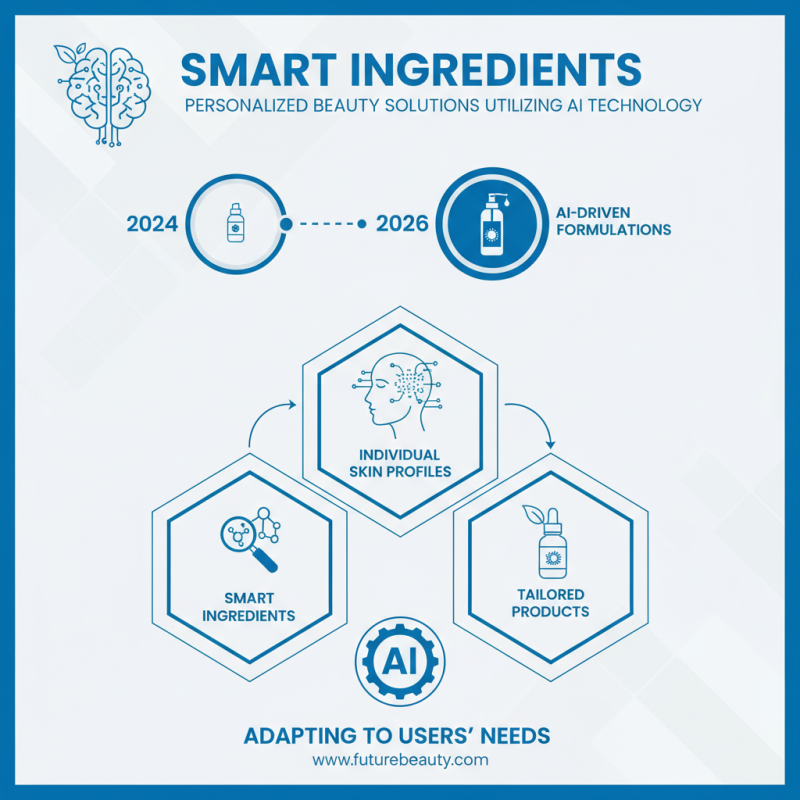
Moreover, the incorporation of machine learning in formulation development is noteworthy. Algorithms analyze vast data sets to identify the most effective combinations. However, these technologies can sometimes oversimplify the complexity of skin health. Different factors, like lifestyle or genetics, play a crucial role. Continued research is essential for achieving better results, proving that the journey of innovation is ongoing.
Beauty Ingredient Technologies in 2026
Sustainable Sourcing: Eco-Friendly Ingredients in Modern Beauty
In 2026, the beauty industry emphasizes sustainable sourcing more than ever. Eco-friendly ingredients are key. Consumers are aware of their impact on the environment. They seek products made from responsibly sourced materials. Natural ingredients like plant extracts lead this trend. These elements not only enhance skin health but also reduce carbon footprints.
However, the journey to sustainability is complex. Not all natural ingredients are cultivated responsibly. Some practices still harm ecosystems. Transparency is crucial. Brands must disclose sourcing details. It helps consumers make informed choices. The push for eco-friendly formulations must also consider effectiveness. Sometimes, natural ingredients don’t deliver the same results as synthetic ones.
Finding that balance is challenging. The industry is learning and evolving. Research continues into biotechnological advancements. New extraction methods show promise for reducing waste. As brands navigate this landscape, careful reflection on sourcing practices will be essential. The future of beauty hinges on it. It’s a step forward, but the journey is ongoing.
Trends in Beauty Preservation: Natural and Chemical-Free Alternatives
The trend of using natural and chemical-free alternatives in beauty preservation is expanding rapidly. Consumers seek products that are not only effective but also gentle on the skin. Ingredients derived from plants, such as botanical extracts and essential oils, are becoming more popular. These natural alternatives often offer better skin compatibility and fewer side effects.
However, there is a complexity to these choices. Some consumers may assume all natural ingredients are safe or effective. This is not always true. The efficacy of a natural ingredient can vary widely based on its source and preparation. Furthermore, some chemicals have been rigorously tested and proven safe for use in cosmetics. Balancing these factors can feel challenging.
The push for transparency in ingredients is also noteworthy. Modern consumers want to know what they put on their skin. Many now read labels more carefully. They demand clarity and authenticity from brands. This growing awareness can lead to better choices, but it also raises questions about misinformation. It’s essential to stay informed and approach both natural and synthetic ingredients with a discerning eye.
What Are the Latest Beauty Ingredient Technologies in 2026?
| Ingredient Type |
Source |
Benefits |
Sustainability |
Application |
| Bakuchiol |
Plant-derived (Babchi) |
Anti-aging, reduces wrinkles |
Biodegradable, eco-friendly |
Serums, creams |
| Probiotics |
Fermented ingredients |
Skin barrier support, hydration |
Sustainable fermentation processes |
Cleansers, moisturizers |
| Mushroom Extracts |
Natural fungi |
Anti-inflammatory, brightening |
Renewable resource, low impact |
Serums, face masks |
| Hyaluronic Acid Variants |
Bio-synthetic |
Intense hydration, plumping |
Lab-grown, minimal waste |
Moisturizers, injections |
| Seaweed Extracts |
Marine sources |
Antioxidant, detoxifying |
Sustainable harvesting |
Body scrubs, wraps |