Sustainable Beauty Ingredients Tips for Eco Friendly Choices?
In the evolving world of beauty, consumers are increasingly seeking eco-friendly options. As we embrace sustainable beauty ingredients, it's essential to understand what makes these products truly green. Expert in sustainable cosmetics, Dr. Emily K. Greene, emphasizes, “Choosing sustainable beauty ingredients is not just a trend; it reflects our responsibility to the planet.” Her insight serves as a reminder that every choice matters.
Sustainable beauty ingredients often come from renewable resources. They are sourced in ways that protect biodiversity and promote environmental health. However, not all labels that claim to be green are genuine. Consumers must remain vigilant and educated about the products they choose. Transparency is crucial in this industry.
While many brands market themselves as eco-friendly, it’s vital to critically evaluate their practices. This journey isn’t perfect. There are still challenges in sourcing and processing sustainable ingredients. As we explore these options, let's encourage brands to maintain honesty and accountability in their eco-commitments.

Understanding Sustainable Beauty: The Importance of Eco-Friendly Choices
Understanding sustainable beauty is crucial for making eco-friendly choices. The beauty industry is experiencing a significant shift. According to a report by McKinsey & Company, 67% of consumers prefer brands with sustainable practices. This reflects a growing awareness of environmental impacts linked to production and packaging. Sustainable ingredients in beauty products minimize ecological footprints and enhance consumer trust.
When selecting products, consider ingredients with low environmental impact. Natural resources, like shea butter or coconut oil, should be sourced ethically to promote sustainability. Be wary of synthetic chemicals often found in conventional beauty products. These can harm both the planet and human health. Studies show that around 50% of consumers are willing to pay more for sustainable options.
Making informed choices matters. Research ingredient origins and certifications to ensure they align with eco-friendly values. Look for recyclable or refillable packaging to reduce waste. Reflect on the ingredients you choose, as they can make a difference. Every small change contributes to a larger impact on sustainability in beauty.
Identifying Sustainable Ingredients: Key Components for Eco-Conscious Products
When exploring sustainable beauty ingredients, awareness of sourcing and environmental impact is crucial. A 2022 report from the Environmental Working Group highlights that over 60% of beauty products contain synthetic materials or harmful chemicals. Shifting to natural, responsibly sourced ingredients is essential for eco-conscious consumers.
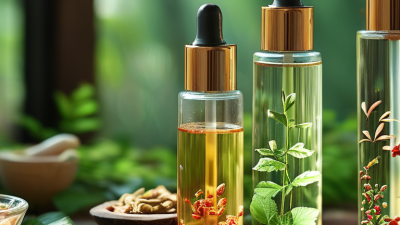
Key components to look for in sustainable beauty products include plant-based extracts, biodegradable components, and socially responsible sourcing. For instance, ingredients like jojoba oil and shea butter are not only nourishing but also derived from sustainable farming practices. Reports indicate that organic farming can enhance biodiversity by up to 30%, making it a favorable choice.
However, not all natural ingredients are inherently sustainable. Some may contribute to deforestation or over-harvesting. It is vital to investigate the supply chain and certification of products. Research suggests that 75% of consumers want transparency from brands regarding their ingredient sourcing. This demand creates a market for companies that truly prioritize eco-friendly practices and ethical standards.
Sustainable Beauty Ingredients Tips for Eco Friendly Choices
| Ingredient |
Source |
Sustainability Rating |
Benefits |
Environmental Impact |
| Shea Butter |
Nuts of the Shea Tree |
A |
Moisturizing, Anti-inflammatory |
Low, locally sourced |
| Coconut Oil |
Coconuts |
B |
Hydrating, Antimicrobial |
Moderate, deforestation concerns |
| Aloe Vera |
Aloe Plant |
A+ |
Soothing, Hydrating |
Very low, often grown sustainably |
| Jojoba Oil |
Seeds of the Jojoba Plant |
A |
Moisturizing, Non-comedogenic |
Low, drought resistant plant |
| Argan Oil |
Nuts from Argan Trees |
B+ |
Nourishing, Rich in Fatty Acids |
Moderate, supports local economy |
Evaluating Brands: How to Choose Beauty Products with a Green Promise
When evaluating beauty brands with a green promise, it's crucial to know what to look for. Check their ingredient list. Choose products that highlight natural and organic components. Avoid those with synthetic fragrances or harsh chemicals. Transparency is key; brands should openly disclose their sourcing practices.
Look for certifications like organic or cruelty-free labels. This shows a commitment to ethical practices. Investigate their production methods too. Sustainable philosophies extend beyond ingredients. Brands should adopt eco-friendly packaging. Recycling initiatives signal a dedication to reducing waste.
Personal experiences matter. Consider how products affect your skin and hair. Sometimes, what's marketed as green can be misleading. Keep an eye on user reviews. They often reveal the true effectiveness of green products. Being mindful about choices shapes a more sustainable beauty routine.
Sustainable Beauty Ingredients: Eco-Friendly Choices
DIY Beauty Recipes: Creating Eco-Friendly Products at Home
Creating eco-friendly beauty products at home can be a rewarding experience. You can control the ingredients and reduce waste. Simple recipes often use natural components that are easy to find. For example, sugar and coconut oil can be combined to create an exfoliating scrub. This scrub not only feels good but also leaves your skin feeling soft and refreshed.
Consider making a nourishing face mask with honey and avocado. Honey is known for its antibacterial properties, while avocado is rich in vitamins. Mixing these ingredients can hydrate your skin effectively. However, it’s important to note that everyone's skin is different. A patch test is essential to avoid allergic reactions.
Don’t shy away from experimenting with different recipes. Not every attempt will turn out perfectly. There might be mixtures that feel too oily or leave a sticky residue. Document your trials and reflect on what works best for you. Over time, you’ll discover what aligns with your eco-friendly vision. This journey of creating sustainable beauty products can be both educational and enjoyable.
The Future of Sustainable Beauty: Trends and Innovations to Watch For
The beauty industry is undergoing a significant transformation toward sustainability. Innovations in eco-friendly ingredients are gaining traction. Consumers are looking for products that not only enhance their beauty but also protect the planet. For example, biodegradable packaging and waterless formulations are emerging trends that reduce environmental impact.
Another interesting development is the rise of plant-based ingredients. Many brands now prioritize sourcing materials from sustainable farms. This shift not only supports local economies but also reduces carbon footprints. It's essential for consumers to be aware of the sourcing behind their cosmetics. However, not all claims are transparent or verified, leading to potential misinformation.
As we navigate this evolving landscape, awareness is crucial. Understanding ingredients and their environmental effects empowers consumers to make informed choices. There is still a long road ahead to achieve true sustainability in beauty. Each individual can contribute by questioning products, seeking clarification, and supporting ethical brands. Reflecting on our choices allows us to embrace eco-conscious beauty as a collective effort.