Beauty Ingredient Technology Trends to Watch in 2026?
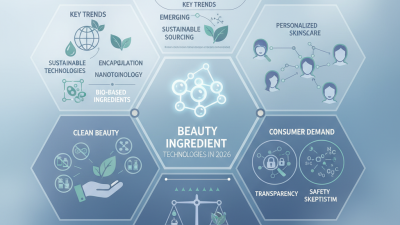
The beauty industry is undergoing rapid transformations as we approach 2026. Understanding the latest Beauty Ingredient Technology trends is essential for brands and consumers alike. These innovations are shaping how products are created, marketed, and experienced.
In recent years, we've seen an increasing focus on sustainable sourcing and bio-based materials. Consumers are more informed and expect transparency from brands. They demand safe, effective, and eco-conscious products. Beauty Ingredient Technology is evolving to meet these needs, using advanced methods and natural alternatives.
However, challenges remain. Not all technologies deliver on their promises. Some ingredients may not be as effective as advertised, leading to consumer skepticism. Brands must navigate this landscape carefully, balancing innovation with reliability. As we look to the future, the successful integration of credible research and consumer trust will be crucial.

Emerging Natural Ingredients Revolutionizing Beauty Formulations in 2026
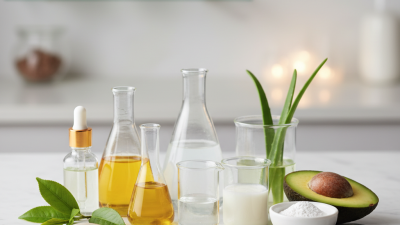
The beauty industry is witnessing a significant shift towards natural ingredients. By 2026, formulations will likely embrace more organic materials, reflecting consumer preferences. Ingredients like mushroom extracts and seaweed are gaining traction due to their potent properties. These elements offer hydration, nourishment, and protection for the skin. The focus is not just on efficacy but also on sustainability.
Innovation in extraction technologies is vital. Techniques preserving the integrity of natural ingredients are crucial. However, relying heavily on natural sources raises concerns. Crop availability and climate change can affect consistency. Brands must demonstrate transparency about sourcing and processing.
Natural does not always mean safe or effective. Some may cause allergic reactions. It's important for consumers to stay informed and conduct patch tests. Education about ingredients will empower buyers. As the trend develops, brands must balance innovation with safety and consumer trust. This approach may redefine beauty standards in 2026.
Innovative Biotechnology Advancements Enhancing Skin Care Efficacy
Innovative biotechnology is shaping the future of skin care. In 2026, we can expect more targeted solutions. For instance, researchers are exploring the use of peptides derived from natural sources. These tiny proteins can help stimulate collagen production, enhancing skin texture and firmness.
Another fascinating trend involves microbial biotechnology. It focuses on harnessing beneficial bacteria for skin health. These microbes can enhance the skin’s barrier function. This not only improves hydration but also protects against environmental damage. However, our understanding of these interactions is still evolving. We need to be cautious about over-exaggerating benefits.
As these technologies advance, the need for transparency will grow. Consumers are becoming more informed and critical. The challenge lies in presenting complex scientific data in an understandable way. Balancing innovation with ethical practices is crucial. It’s a path of continuous learning and adaptation in the beauty industry.
Beauty Ingredient Technology Trends to Watch in 2026
| Trend |
Key Technology |
Application in Skin Care |
Expected Outcome |
| Microbiome-Friendly Ingredients |
Biotechnological fermentation |
Balancing skin microbiome for dermatitis |
Improved skin health and barrier function |
| Biodegradable Packaging |
Plant-based polymers |
Sustainable product delivery |
Reduced environmental impact |
| Smart Delivery Systems |
Nanotechnology |
Targeted ingredient release |
Enhanced ingredient efficacy |
| Synthetic Biology |
Gene editing technologies |
Creation of novel active ingredients |
New formulations with unique benefits |
| AI in Formulation |
Machine learning algorithms |
Personalized skincare products |
Tailored solutions for individual needs |
Sustainable Sourcing Trends Impacting Beauty Ingredient Selection
Sustainability is becoming a core aspect of beauty ingredient selection. Reports indicate that consumers prioritize eco-friendly products. According to a 2023 market research study, over 70% of consumers actively seek brands that emphasize sustainable sourcing. This trend is reshaping the landscape, pushing brands to refine their ingredient sourcing strategies.
In 2026, biodiversity will play a crucial role in sustainable sourcing. The Global Biodiversity Outlook emphasizes that the depletion of natural resources impacts ingredient availability. Brands are increasingly turning to regenerative farming practices. This helps replenish ecosystems while ensuring a steady supply of key ingredients. Such practices not only mitigate environmental harm but also resonate with a growing segment of eco-conscious consumers.
The challenge lies in transparency. Data from industry reports suggest that 60% of consumers feel brands do not adequately disclose their sourcing practices. This gap can erode trust and loyalty. Companies must strive for clearer communication about their sustainability efforts. Emphasizing local sourcing and fair trade can enhance credibility. However, not all brands are meeting these expectations, leading to skepticism among consumers who demand accountability.
The Role of AI in Predicting and Personalizing Beauty Ingredients
Artificial Intelligence is reshaping the beauty industry. By 2026, it's expected that AI will play a crucial role in predicting and personalizing beauty ingredients. This technology enables brands to analyze consumer preferences and skin types. With detailed data analysis, specific compounds can be recommended for individual needs.
The integration of machine learning algorithms allows formulas to be tailored precisely. AI can evaluate ingredients based on efficacy and safety. This means consumers may finally find products that truly match their unique requirements. However, reliance on technology can raise concerns. AI can sometimes produce suggestions that are refined but lack a human touch.
Additionally, the challenge lies in ensuring that AI recommendations are based on reliable and current data. Constant updates are necessary to keep pace with scientific advancements. While AI opens doors to innovation, it must be treated as a tool rather than a replacement for professional expertise. Balancing technology and personal insight remains essential in the quest for beauty solutions.
Regulatory Changes Shaping the Future of Beauty Ingredient Transparency
Regulatory changes are pivotal in how the beauty industry approaches ingredient transparency. Recent reports indicate that consumers increasingly demand clarity. About 74% of shoppers prefer brands that disclose all ingredients transparently. This trend is pushing companies to adopt more stringent labeling practices.
In response, regulatory bodies are implementing stricter guidelines. The European Commission’s Cosmetics Regulation emphasizes clear labeling and consumer safety. Brands need to navigate complex regulations across different regions. Non-compliance could result in significant financial penalties, affecting a company's reputation.
While these changes improve transparency, challenges remain. Not all brands can easily reformulate their products to meet new standards. Some may struggle to maintain product efficacy while complying with stricter regulations. This leads to a critical question: Is transparency worth the potential compromise in formulation quality? Balancing consumer demand with regulatory compliance will test the industry's commitment to authenticity and safety.